 Skip to content


Baby Wrap Carrier Buying Guide: What to Check Before You Buy

A baby wrap carrier can make life with a newborn much easier. It keeps your baby close, supports hands-free parenting, and can help make everyday tasks more manageable.
With so many options available, choosing the right baby wrap isn't always easy. Stretchy wraps, woven wraps, different fabric blends, lengths, and features can quickly become confusing, especially for first-time parents.
This buying guide explains what to check before you buy a baby wrap carrier so you can choose one that's safe, comfortable, and suited to your family's needs.
Why Choosing the Right Baby Wrap Matters
A baby wrap isn't just another baby accessory. It's something that supports your baby for extended periods and sits close to their delicate skin.
The right wrap can provide:
-
Comfortable support for both parent and baby
-
Better weight distribution
-
Hands-free convenience
Check Out Tuck and Bundle Baby Wraps
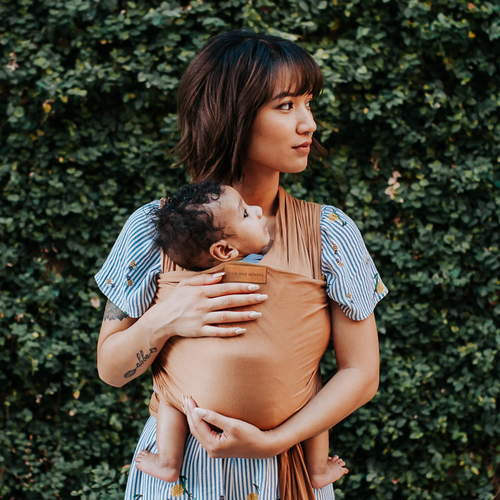
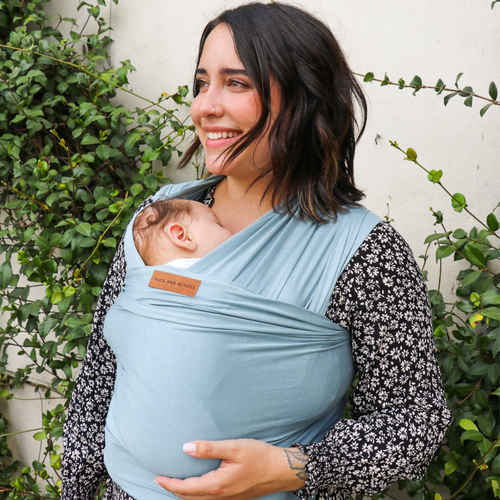
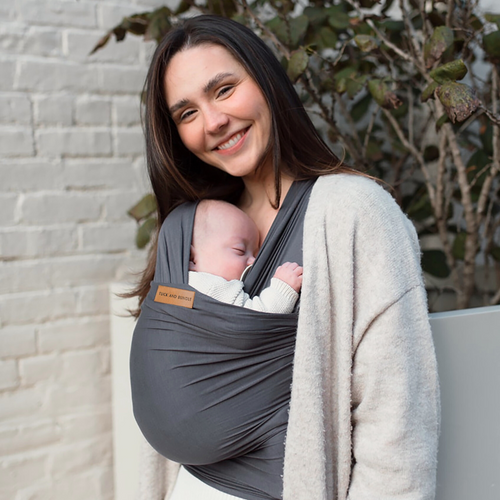
A snug fit for newborns
Long-lasting durability
Confidence while babywearing
Choosing the wrong wrap, on the other hand, may lead to discomfort, frequent adjustments, or limited usability as your baby grows.
1. Choose the Right Type of Baby Wrap
Before comparing brands, understand the two main categories of baby wraps.
Stretchy Wraps
Stretchy wraps are made from soft knit fabrics that gently stretch to hug your baby.
Best for:
-
Newborns
-
First-time parents
-
Indoor babywearing
-
Skin-to-skin bonding
-
Babies who enjoy close contact
Pros
-
Soft and cozy
-
Easy to wear once tied
-
Great for the early months
-
Comfortable for naps
Considerations
-
Usually designed for younger or lighter babies
-
May feel less supportive as your child grows
-
Always follow the manufacturer's weight limits
Woven Wraps
Woven wraps have little to no stretch and rely on different tying techniques for support.
Best for:
-
Older babies
-
Toddlers
-
Longer babywearing sessions
-
Multiple carrying positions
-
Experienced babywearers
Pros
-
Excellent support
-
Long lifespan
-
Suitable for various carry styles
-
Durable
Considerations
-
Steeper learning curve
-
Requires more practice to master
2. Check the Fabric
Fabric affects comfort, breathability, and durability.
Some common materials include:
TENCEL™ Modal
-
Silky smooth feel
-
Breathable
-
Lightweight
-
Moisture-managing
-
Gentle against delicate skin
-
Durable
Cotton
-
Soft
-
Durable
-
Easy to wash
-
Great all-around option
Linen
-
Excellent airflow
-
Strong
-
Ideal for warmer weather
-
Softens with use
Bamboo Viscose Blends
-
Smooth texture
-
Breathable
-
Lightweight
Many wraps combine fibers to balance softness, strength, and stretch. Think about your climate, your baby's age, and how often you'll use the wrap when choosing a fabric.
3. Make Sure the Wrap Matches Your Baby's Age and Weight
Not every wrap is designed for every stage.
Always check the manufacturer's recommendations for:
-
Minimum age
-
Maximum weight
-
Supported carrying positions
-
Newborn suitability
Using a wrap beyond its recommended limits may affect comfort and safety.
4. Look for Comfortable Stretch and Support
A quality stretchy wrap should:
-
Hold your baby securely
-
Recover its shape after use
-
Stay snug without frequent retying or sagging
-
Provide even support across your shoulders and back
If a wrap stretches too much, it may require constant adjustments. If it has too little stretch, it may be harder to achieve a comfortable fit.
5. Consider Your Climate
The weather where you live plays a big role in choosing the right wrap.
Warm Climates
Look for:
-
Lightweight fabrics
-
Breathable weaves
-
Moisture-managing materials
Cooler Climates
Slightly thicker fabrics may provide added warmth and comfort. Remember that your body heat also helps keep your baby warm, so avoid overdressing your little one.
6. Check for Safety Features and Certifications
While no certification replaces safe babywearing practices, quality manufacturing matters.
When evaluating a baby wrap, look for:
-
OEKO-TEX® Certified
-
Hip Healthy certified by the International Hip Dysplasia Institute
-
Clearly labeled weight limits
-
Comprehensive instruction manual
-
Safety warnings
-
Care instructions
-
High-quality stitching
-
Durable seams
7. Choose the Right Size
Many stretchy wraps are designed as one-size-fits-most, thanks to their adjustable tying methods.
For woven wraps, length matters more.
If multiple caregivers will share the wrap, choose a size and fabric that can comfortably accommodate different body types.
8. Check Ease of Use
If you're new to babywearing, ease of use can make a big difference.
Look for wraps that include:
-
Illustrated instructions
-
Video tutorials
-
Clearly marked center point
-
Easy-to-follow tying guides
-
Responsive customer support
A little guidance can help you feel more confident during the learning process.
9. Read Real Customer Reviews
Before buying, read reviews from parents who have used the wrap.
Look for consistent feedback about:
-
Comfort during long wear
-
Fabric quality
-
Ease of tying
-
Durability after washing
-
Fit for different body types
Pay attention to recurring themes rather than a single positive or negative review.
10. Understand the Care Instructions
Baby wraps need regular washing.
Before purchasing, check whether the wrap is:
-
Machine washable
-
Suitable for air drying or tumble drying
-
Easy to maintain
-
Resistant to excessive shrinking when cared for correctly
A wrap that's easy to clean is especially helpful during the newborn months.
Quick Buying Checklist
Before clicking "Buy Now," make sure your baby wrap checks these boxes:
-
✓ Appropriate for your baby's age and weight
-
✓ Comfortable, breathable fabric
-
✓ Soft yet supportive
-
✓ Easy-to-follow instructions
-
✓ Durable stitching
-
✓ Machine washable (if preferred)
-
✓ Fits your body comfortably
-
✓ Suitable for your local climate
-
✓ Positive customer reviews
-
✓ Clear safety guidance from the manufacturer
Common Mistakes to Avoid
Choosing Based Only on Price
The cheapest wrap isn't always the best value. Comfort, durability, and quality often make a worthwhile difference over months of daily use.
Ignoring Weight Limits
Always follow the manufacturer's recommendations. If your baby is approaching the maximum weight, it may be time to transition to a more supportive carrier.
Overlooking Fabric
The fabric affects how the wrap feels in different seasons, how easy it is to clean, and how well it supports your baby.
Expecting Instant Perfection
Learning to tie a wrap takes practice. Try it a few times before your first outing, and practice over a soft surface or with another adult nearby if possible.
Frequently Asked Questions
Which baby wrap is best for newborns? ▾
Is a more expensive baby wrap worth it? ▾
Can both parents use the same baby wrap? ▾
How many baby wraps do I need? ▾
When should I switch from a wrap to another carrier? ▾

Miranda Tripp
Miranda Tripp is the founder of Tuck and Bundle, a babywearing brand created to help parents keep their babies close, comfortably and confidently. A mom of three, U.S. Army veteran, and entrepreneur with a background in engineering, Miranda founded Tuck and Bundle after experiencing firsthand how transformative babywearing could be in everyday motherhood. She brings a practical, parent-first perspective to conversations about babywearing, postpartum life, and building products that genuinely make life with a baby a little easier.