 Skip to content


Babywearing in Hot Weather: How to Keep You and Baby Cool

Babywearing is a wonderful way to keep your little one close while freeing up your hands for everyday tasks. But when temperatures rise, many parents wonder:
"Is it safe to babywear in hot weather?"
The answer is yes, with the right precautions.
Since your baby is pressed against your body, both of you naturally generate heat. Warm weather, direct sunlight, and heavy fabrics can make babywearing less comfortable if you're not prepared.
Fortunately, a few simple adjustments can help you and your baby stay cool while enjoying all the benefits of babywearing.
Is It Safe to Babywear in Hot Weather?
Yes. Babywearing can be safe during warm weather when done thoughtfully.
The key is to minimize excess heat, choose breathable materials, stay hydrated, and monitor your baby closely for signs of overheating.
Keep in mind that your body acts like an extra layer of clothing for your baby. In warm conditions, babies often need one less clothing layer than you might expect.
Check Out Tuck and Bundle Baby Wraps
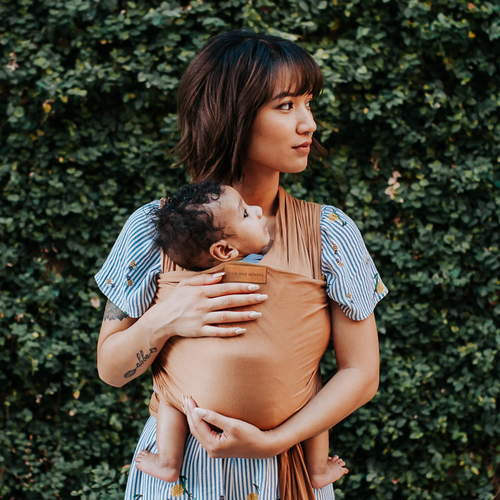
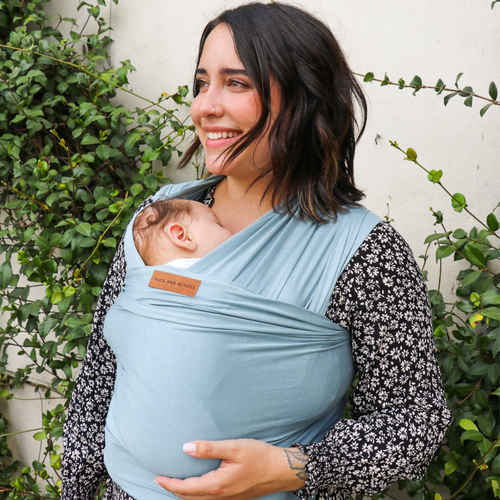
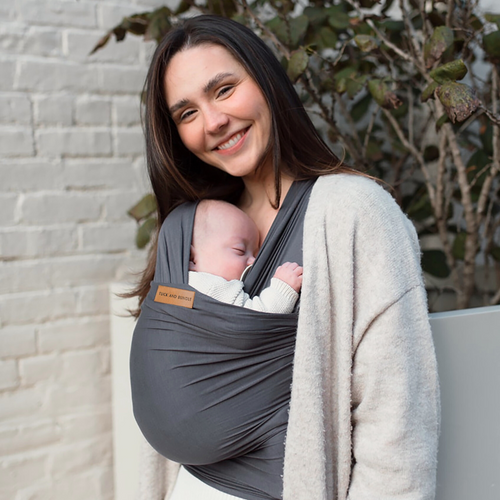
Why Babies Get Hot Faster Than Adults
Babies are more sensitive to heat than adults because:
-
They have a larger body surface area relative to their size.
-
Their bodies are still developing efficient temperature regulation.
-
They cannot tell you when they're too hot.
-
They rely on caregivers to adjust clothing and the environment.
That's why checking your baby's comfort regularly is just as important as checking your own.
1. Choose a Breathable Baby Wrap
The fabric of your baby wrap plays a big role in keeping both of you comfortable.
Look for lightweight, breathable materials such as:
-
TENCEL™ Modal
-
Linen
-
Lightweight cotton blends
-
Mesh panels (on structured carriers)
These fabrics generally allow better airflow than thick fleece or heavily padded materials.
If you live in a hot, humid climate, a lightweight wrap can make a noticeable difference during everyday wear.
2. Dress Your Baby in Light Layers
One of the most common mistakes parents make is overdressing their baby.
Since your body provides warmth, your baby usually needs fewer layers while being worn.
Good options include:
-
Lightweight cotton bodysuits
-
Short-sleeved rompers
-
Breathable muslin clothing
-
Lightweight summer pajamas
Avoid:
-
Thick sweaters
-
Heavy fleece
-
Bulky jackets
-
Multiple unnecessary layers
Always check your baby's temperature rather than relying only on how their hands or feet feel, as these can naturally be cooler than the rest of the body.
3. Dress Yourself Comfortably
Your clothing matters too.
Choose:
-
Moisture-wicking fabrics
-
Breathable athletic wear
-
Loose-fitting clothing
Remember, your baby is resting against you, so cooler clothing helps both of you stay comfortable.
4. Avoid the Hottest Part of the Day
Whenever possible, plan walks or outdoor activities during cooler times.
Good times include:
-
Early morning
-
Late afternoon
-
Evening
If temperatures are especially high, consider limiting outdoor babywearing and moving activities indoors where it's cooler.
5. Stay Hydrated
Babywearing can feel surprisingly physical, especially in warm weather.
Drink water regularly before, during, and after your outing.
If you're breastfeeding, staying hydrated supports your own comfort, though fluid needs vary from person to person. Drink according to your thirst and your healthcare provider's recommendations.
6. Watch for Signs of Overheating
Babies can overheat more quickly than adults, so keep an eye out for warning signs.
These may include:
-
Flushed or unusually red skin
-
Sweating (though some babies sweat less than adults)
-
Rapid breathing
-
Unusual fussiness or irritability
-
Lethargy or excessive sleepiness
-
Warm chest or back
If you notice these signs:
-
Move to a cooler place.
-
Remove extra layers if appropriate.
-
Offer a feeding if your baby is due.
-
Allow your baby to cool gradually.
If your baby seems seriously unwell, has difficulty breathing, or doesn't improve promptly, seek medical care immediately.
7. Check Your Baby Frequently
Every 10–15 minutes during hot weather:
-
Feel your baby's neck or upper back.
-
Check that their face remains uncovered.
-
Ensure their chin isn't tucked tightly against their chest.
-
Look for normal skin color and comfortable breathing.
These quick checks can help you spot problems early.
8. Use Sun Protection Wisely
A baby wrap doesn't provide complete sun protection.
Whenever possible:
-
Walk in the shade.
-
Wear a wide-brimmed hat yourself.
-
Dress your baby in a lightweight sun hat if appropriate and if it doesn't obstruct their airway or interfere with the carrier.
For young infants, seek guidance from your pediatrician regarding sunscreen use and prioritize shade and protective clothing.
9. Take Regular Breaks
If you're outdoors for an extended period:
-
Stop in shaded or air-conditioned areas.
-
Remove your baby from the wrap for a few minutes if needed.
-
Allow both of you to cool down before continuing.
Short breaks can make longer outings much more comfortable.
10. Choose the Right Carry Position
For many newborns, a front inward-facing carry is recommended because it provides support and allows you to monitor your baby easily.
As your baby grows and if your carrier is designed for it, other carrying positions may improve airflow or comfort.
Always follow the manufacturer's instructions regarding age, weight, and approved carrying positions.
11. Keep Your Baby's Airway Clear
Regardless of the weather, safe positioning is essential.
Remember the T.I.C.K.S. babywearing guidelines:
-
Tight
-
In view at all times
-
Close enough to kiss
-
Keep chin off chest
-
Supported back
Never cover your baby's face with the wrap or extra fabric, even to block the sun.
12. Know When It's Too Hot
Sometimes, the safest choice is to postpone babywearing.
Consider staying indoors if:
-
Heat advisories have been issued.
-
Temperatures are extremely high.
-
Humidity makes it difficult to cool down.
-
You or your baby appear uncomfortable despite taking precautions.
Your baby's comfort and safety should always come first.
Best Fabrics for Summer Babywearing
| Fabric | Breathability | Softness | Best For |
| TENCEL™ Modal | Excellent | Excellent | Everyday summer babywearing |
| Cotton | Good | Very Good | Daily use |
| Linen | Excellent | Good (softens over time) | Hot, dry climates |
| Cotton-Linen Blend | Excellent | Very Good | Warm weather and longer carries |
| Mesh (Structured Carriers) | Excellent | Moderate | Outdoor activities |
Summer Babywearing Checklist
Before heading outside, make sure you've covered these essentials:
-
✓ Lightweight, breathable baby wrap
-
✓ Light clothing for you and your baby
-
✓ Water bottle for yourself
-
✓ Sun hat (if appropriate)
-
✓ Shade whenever possible
-
✓ Frequent temperature checks
-
✓ Planned cooling breaks
Common Mistakes to Avoid
Overdressing Your Baby
Remember that your body heat adds warmth. Extra layers can increase the risk of overheating.
Covering the Carrier With a Blanket
Placing a blanket over the carrier to block the sun can trap heat and reduce airflow. Instead, seek natural shade or move indoors when possible.
Ignoring Early Signs of Heat Stress
If your baby becomes unusually sleepy, flushed, or uncomfortable, stop and assess the situation right away.
Wearing Heavy Fabrics
A thick wrap may be cozy in winter but uncomfortable during summer. Choose a lighter option when temperatures rise.
Frequently Asked Questions
Can babies overheat in a baby wrap? ▾
What's the best fabric for summer babywearing? ▾
Should my baby wear socks in hot weather? ▾
Can I babywear at the beach? ▾
How do I know if my baby is too hot? ▾

Miranda Tripp
Miranda Tripp is the founder of Tuck and Bundle, a babywearing brand created to help parents keep their babies close, comfortably and confidently. A mom of three, U.S. Army veteran, and entrepreneur with a background in engineering, Miranda founded Tuck and Bundle after experiencing firsthand how transformative babywearing could be in everyday motherhood. She brings a practical, parent-first perspective to conversations about babywearing, postpartum life, and building products that genuinely make life with a baby a little easier.