 Skip to content


Babywearing With a Toddler to Chase: How to Stay Hands-Free While Keeping Baby Close

Having a baby and a toddler at the same time can be a beautiful—and busy—adventure. One child wants to be carried while the other wants to run, explore, and investigate everything around them.
Whether you're heading to the playground, running errands, traveling, or simply getting through a busy afternoon at home, babywearing can make managing two little ones a little easier.
A baby wrap can help keep your younger baby close while giving you more freedom to care for your older child. With a wrap that's appropriate for your baby's size and developmental stage, babywearing can become a practical part of your everyday routine.
Babywearing Isn't Just for Newborns
Babywearing doesn't necessarily end after the newborn stage. Our wrap is designed for babies from 8–35 pounds, approximately birth through 18 months, allowing parents to continue babywearing as their baby grows.
You may find babywearing especially helpful when:
-
Your toddler needs your attention.
-
Your baby needs a nap while your toddler plays.
-
You're walking somewhere with two young children.
Check Out Tuck and Bundle Baby Wraps
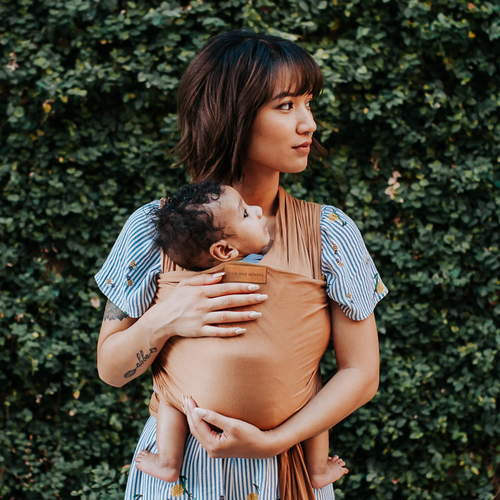
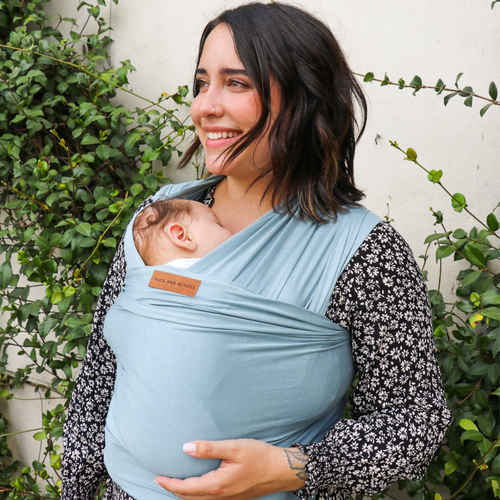
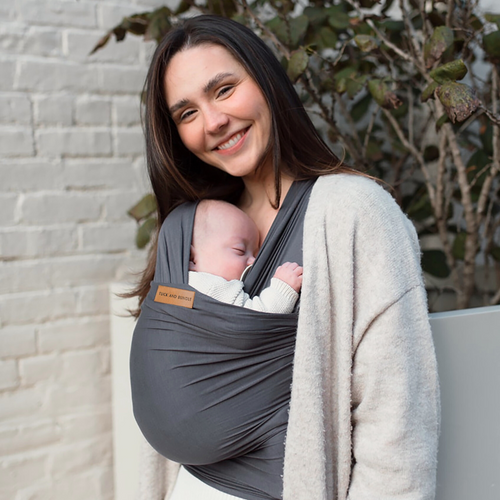
You need both hands available during an outing.
You're carrying diapers, snacks, or other essentials.
Why Babywearing Helps When You Have a Toddler to Chase
Toddlers are energetic and unpredictable. They may suddenly run, climb, or need help while you're also holding a baby.
Trying to hold your baby in one arm while helping your toddler with the other can quickly become uncomfortable. A properly used baby wrap can keep your younger baby supported against your body while giving your arms more freedom to help your older child.
This can be useful at the playground, during walks, grocery trips, school drop-off, family outings, and travel.
However, hands-free doesn't mean supervision-free. You still need to monitor your baby and maintain safe positioning throughout the activity.
How to Safely Babywear While Caring for Your Toddler
Safety should always come before convenience. The American Academy of Pediatrics recommends checking on babies frequently when using carriers.
Keep Baby's Face Visible
You should always be able to see your baby's face. Never allow the wrap, clothing, blankets, or other materials to cover the baby's face.
Keep the Airway Clear
Make sure your baby's nose and mouth remain unobstructed and that the chin isn't pressed against the chest. Continue checking your baby's position, especially when you're focused on your toddler.
Keep Baby Properly Supported
Follow your wrap's instructions and make sure your baby is positioned appropriately. Our guidance recommends keeping the airway visible and clear, the chin off the chest, and the back supported in a natural curved position.
Follow Weight and Age Guidelines
Always follow the manufacturer's instructions for your specific wrap. Our current guidance recommends our wrap for babies 8–35 pounds and approximately 0–18 months.
Don't Let Your Toddler Pull on the Wrap
Teach your toddler that the wrap isn't something to grab or pull. A sudden tug could affect your baby's position or your balance.
Choose a Wrap for Busy Family Life
When you're wearing a baby while caring for another child, comfort matters.
We use 100% TENCEL™ Modal, which is lightweight, breathable, and cool to the touch. Our two-way stretch is designed to stretch for the baby while remaining snug around the parent.
Our wrap is designed to fit parents from petite through extended/plus sizes. We also provide free fit checks and one-on-one video tutorials to help parents feel more confident using their wrap.
Simple Tips for Busy Outings
A few simple habits can make babywearing easier:
-
Practice first: Get comfortable putting on and adjusting your wrap at home.
-
Keep essentials nearby: Have diapers, wipes, snacks, and water within easy reach.
-
Dress appropriately: Remember that you and your baby share body heat while babywearing.
-
Move carefully: Pay attention to your balance when bending or moving around.
-
Remember your toddler: Babywearing can help you manage both children, but your toddler may still need breaks, snacks, and attention.
What You Shouldn't Do While Babywearing
Babywearing can make parenting more convenient, but it doesn't make every activity safe.
Avoid activities that could compromise your balance or expose your baby to unnecessary risk, including significant physical exertion, climbing, or dangerous equipment.
The goal is supported babywearing—not multitasking at the expense of safety.
Disclaimer: This article is for general educational purposes only and is not medical advice. Always consult your healthcare provider for guidance specific to you or your baby, and follow current safety recommendations and product instructions.
Our Editorial Process: We may use AI-assisted tools during the research and drafting process. All published content is reviewed and edited by our team. AI-generated information is not a substitute for guidance from a qualified healthcare professional.
Frequently Asked Questions
Can I use a baby wrap with a toddler? ▾
Can I babywear while taking care of my toddler? ▾
Can I chase my toddler while wearing my baby? ▾
Is babywearing really hands-free? ▾
Is a baby wrap only useful for newborns? ▾

Miranda Tripp
Miranda Tripp is the founder of Tuck and Bundle, a babywearing brand created to help parents keep their babies close, comfortably and confidently. A mom of three, U.S. Army veteran, and entrepreneur with a background in engineering, Miranda founded Tuck and Bundle after experiencing firsthand how transformative babywearing could be in everyday motherhood. She brings a practical, parent-first perspective to conversations about babywearing, postpartum life, and building products that genuinely make life with a baby a little easier.