 Skip to content


Baby Wrap Sizing Guide: Finding Your Fit From Petite to Plus-Size

Choosing a baby wrap is exciting, but one question often stops new parents in their tracks:
"What size baby wrap do I need?"
The good news is that baby wrap sizing is more flexible than it may seem. Many stretchy wraps are designed to fit a wide range of body types, while woven wraps come in different lengths to suit various carrying styles and caregivers.
Whether you're petite, tall, plus-size, or planning to share a wrap with your partner, this guide will help you understand baby wrap sizing so you can choose a comfortable, secure fit with confidence.
Does Baby Wrap Size Really Matter?
Yes—but it depends on the type of wrap.
There are two main categories of baby wraps:
-
Stretchy wraps, which are usually one size and adjust through tying.
-
Woven wraps, which come in different lengths for different body sizes and carry styles.
Check Out Tuck and Bundle Baby Wraps

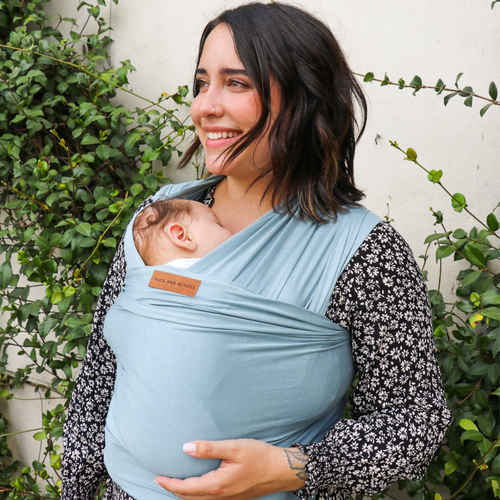
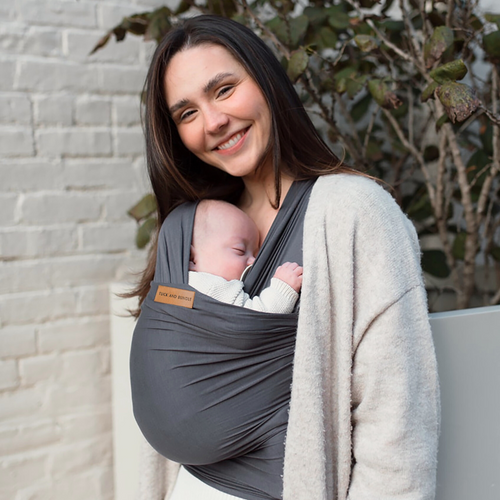
Understanding which type you're buying is the first step to choosing the right fit.
Stretchy Wraps: One Size Fits Most
Most stretchy baby wraps are designed to fit a wide range of adult body sizes because the fabric stretches and the wrap is tied around your body.
These wraps are popular for newborns because they:
-
Adjust to different body shapes.
-
Allow a snug, custom fit.
-
Can often be shared between caregivers.
-
Eliminate the need to choose from multiple sizes.
However, always check the manufacturer's sizing information, as "one size" can vary by brand.
Woven Wraps: Understanding Wrap Lengths
Unlike stretchy wraps, woven wraps come in several lengths.
Rather than being labeled as small, medium, or large, they're typically sized by length.
Common sizes include:
| Wrap Size | Approximate Length |
| Size 2 | 2.7 m (8.9 ft) |
| Size 3 | 3.2 m (10.5 ft) |
| Size 4 | 3.7 m (12.1 ft) |
| Size 5 | 4.2 m (13.8 ft) |
| Size 6 | 4.6 m (15.1 ft) |
| Size 7 | 5.2 m (17.1 ft) |
| Size 8 | 5.7 m (18.7 ft) |
These measurements are approximate and may vary slightly between manufacturers.
What Is a "Base Size"?
Your base size is the woven wrap length that allows you to tie a standard front wrap cross carry (FWCC) or similar full-length carry with comfortable tails.
Many babywearing educators use base size as a starting point when choosing wraps for different carrying styles.
A wrap that's your base size gives you the flexibility to learn common carries before experimenting with shorter or longer wraps.
General Base Size Guide
The chart below offers a general starting point. Exact sizing varies by body shape, clothing size, tying style, and the brand's wrap dimensions.
| Adult Clothing Size (Approx.) | Suggested Base Wrap Size |
| Petite / XS | Size 5 |
| Small | Size 5–6 |
| Medium | Size 6 |
| Large | Size 6–7 |
| XL | Size 7 |
| Plus Size (1X–2X) | Size 7–8 |
| Plus Size (3X+) | Size 8 (or check brand guidance) |
If you're between sizes or prefer longer tails for tying, consider sizing up.
Choosing the Right Size for Your Body Type
Petite Parents
If you're petite, a very long wrap may leave extra fabric hanging after tying.
Many petite parents find that:
-
Stretchy wraps adjust easily.
-
Smaller woven base sizes reduce excess fabric.
-
Lightweight fabrics can be easier to manage.
Tall Parents
Height alone doesn't determine wrap size, but it can affect how much fabric you prefer.
Some taller parents choose:
-
A wrap one size bigger for extra tying length.
-
Longer tails for additional carry options.
Plus-Size Parents
Many brands design stretchy wraps to accommodate a wide range of body shapes.
When shopping:
-
Check the maximum recommended fit or length.
-
Look for inclusive sizing information.
-
Read reviews from parents with similar body types.
-
Contact the manufacturer if you're unsure.
A comfortable fit is more important than a specific clothing size.
Sharing a Wrap Between Caregivers
One of the benefits of many baby wraps is their adjustability.
If you and your partner have different body sizes:
-
Stretchy wraps will often work well for both of you.
-
For woven wraps, choose a length based on the larger wearer's base size.
-
Practice adjusting the wrap each time a different caregiver wears it.
Does Baby Size Affect Wrap Size?
Not usually.
The wrap size is based primarily on the caregiver's body and the carry you want to use, not your baby's size.
However, as your baby grows and you begin trying different carrying positions, you may find that certain wrap lengths are more convenient for specific carries.
Always follow the manufacturer's recommended weight and age limits for the wrap.
How to Measure for a Baby Wrap
For stretchy wraps, measuring is rarely necessary because most are adjustable.
For woven wraps:
-
Review the manufacturer's sizing guide.
-
Consider your usual clothing size as a starting point.
-
Think about the carrying styles you plan to use.
-
If possible, try wraps in person from a babywearing library or borrow one before purchasing.
When in doubt, ask the manufacturer or a certified babywearing educator for guidance.
Common Carry Styles and Wrap Lengths
Different carries require different amounts of fabric.
| Carry Style | Typical Wrap Length |
| Front Wrap Cross Carry | Base size |
| Kangaroo Carry | Often base -1 or base -2 |
| Rucksack Back Carry | Often base -2 |
| Short Front Carries | Base -2 to base -3 |
| Toddler Quick Carries | Shorter wraps often work well |
These are general guidelines. Your preferred tying style and body shape may change the ideal length
Signs Your Wrap Fits Properly
A properly sized wrap should allow you to:
-
Tie securely without struggling.
-
Keep your baby snug against your body.
-
Maintain comfortable tension across the fabric.
-
Tie a secure knot with adequate tail length.
-
Move naturally without the wrap loosening.
If you consistently run out of fabric before tying or have an excessive amount left over, another wrap size may suit you better.
Common Sizing Mistakes to Avoid
Assuming "One Size" Fits Every Brand
Always check the manufacturer's measurements. One-size stretchy wraps can differ in length and fabric stretch.
Choosing Based Only on Clothing Size
Body proportions, preferred carries, and tying style all influence the best wrap size.
Buying Too Short
A wrap that's too short may limit the carries you can learn.
Ignoring the Manufacturer's Size Guide
Brand-specific guidance is the best place to start, especially if you're between sizes.
Quick Baby Wrap Sizing Checklist
Before buying, ask yourself:
-
✓ Am I choosing a stretchy or woven wrap?
-
✓ Have I checked the brand's sizing guide?
-
✓ Will more than one caregiver use the wrap?
-
✓ Which carry styles do I want to learn?
-
✓ Do I prefer longer or shorter tails?
-
✓ Is the wrap appropriate for my baby's age and weight?
Frequently Asked Questions
Do stretchy baby wraps come in different sizes? ▾
Can plus-size parents use baby wraps? ▾
Should I size up? ▾
Can one wrap fit both parents? ▾
Does my baby's weight change the wrap size I need? ▾

Miranda Tripp
Miranda Tripp is the founder of Tuck and Bundle, a babywearing brand created to help parents keep their babies close, comfortably and confidently. A mom of three, U.S. Army veteran, and entrepreneur with a background in engineering, Miranda founded Tuck and Bundle after experiencing firsthand how transformative babywearing could be in everyday motherhood. She brings a practical, parent-first perspective to conversations about babywearing, postpartum life, and building products that genuinely make life with a baby a little easier.