 Skip to content


Can Babywearing Help With Colic and Gas? How Gentle Movement May Soothe Your Baby

Babies cry for different reasons, including hunger, tiredness, and digestive discomfort. When crying becomes frequent or prolonged, finding ways to comfort your little one can feel overwhelming.
Babywearing offers a way to keep your baby close while moving through everyday activities. Gentle walking and physical contact may help some babies settle.
The American Academy of Pediatrics (AAP) includes walking a baby in a carrier among the techniques parents can try to soothe colic.
However, babywearing does not cure colic or treat gas. Let's look at how it may help comfort a fussy baby.
What Is Colic?
Colic describes frequent, prolonged crying in an otherwise healthy baby. These episodes can happen even after feeding, changing, and comforting.
The exact cause of colic is not always clear, and different babies respond to different soothing techniques.
Some babies settle with gentle rocking, walking, quiet sounds, or close physical contact. Others may need different approaches.
Can Babywearing Help With Colic?
Babywearing may help soothe some babies through gentle movement and close contact.
Check Out Tuck and Bundle Baby Wraps

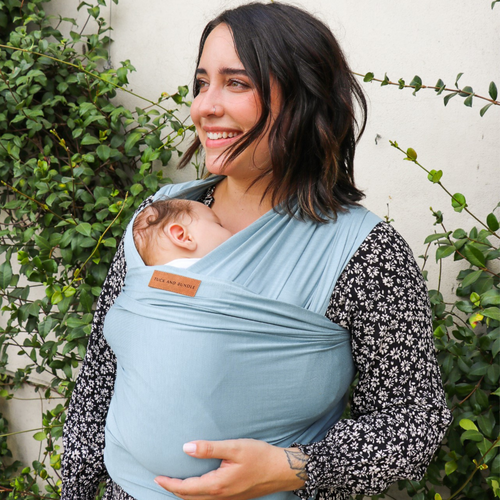
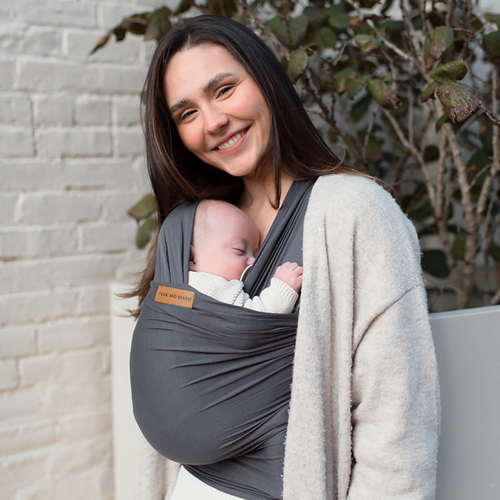
When you walk while wearing your baby, your body creates a natural rhythmic motion. Combined with your warmth and physical closeness, this may provide comfort.
The AAP specifically recommends walking with a baby in a carrier as one possible colic-soothing technique. It also explains that movement and body contact may reassure babies even when their discomfort continues.
Babywearing is therefore one soothing option parents can try, not a medical treatment for colic.
Can Babywearing Help With Baby Gas?
Gas is common in infants and can sometimes contribute to fussiness. Babies may swallow air during feeding, and burping can help release trapped air.
The AAP recommends burping and other gentle soothing techniques for babies experiencing discomfort.
Although some parents find carrying their baby convenient after feeding, there is no established evidence that babywearing treats gas or digestive problems.
If your baby needs to burp, remove them from the carrier and burp them appropriately before continuing.
Safe Babywearing Practices
When using a baby wrap, correct positioning is essential, particularly for newborns.
Follow these important safety guidelines:
-
Keep the face visible: Your baby's nose and mouth should remain uncovered.
-
Maintain an open airway: Never allow the chin to rest against the chest.
-
Provide proper support: Follow the manufacturer's wrapping instructions.
-
Check regularly: Monitor your baby's breathing, head position, and comfort.
Babies younger than four months require particular attention because of their limited head and neck control.
The AAP advises that babies born prematurely or with respiratory problems should not be placed in upright positioning devices without appropriate medical guidance.
Read the AAP's baby carrier safety guidance for additional information.
Babywearing Is Not a Sleep Solution
Although gentle movement may make some babies sleepy, a carrier should never replace a designated infant sleep space.
The AAP recommends moving babies who fall asleep in a carrier or sling to a firm, flat sleep surface on their backs as soon as possible.
Always follow safe-sleep recommendations, even when using babywearing to comfort a fussy baby.
Other Ways to Soothe a Fussy Baby
Babywearing is just one option. Parents can also try:
-
Burping during and after feeding.
-
Gentle rocking or walking.
-
Speaking or singing softly.
-
Using calming background noise.
-
Providing supervised tummy time while awake.
-
Creating a calm environment.
Try one technique at a time and observe how your baby responds.
When Should You Contact Your Pediatrician?
Not every episode of crying is colic. Contact your pediatrician if you are concerned about your baby's crying, feeding, or digestion.
Seek prompt medical attention if your baby experiences difficulty breathing, fever, persistent vomiting, unusual lethargy, poor feeding, or signs of dehydration.
If something about your baby's behavior concerns you, don't hesitate to seek professional advice.
Disclaimer: This article is for general educational purposes only and is not medical advice. Always consult your healthcare provider for guidance specific to you or your baby, and follow current safety recommendations and product instructions.
Our Editorial Process: We may use AI-assisted tools during the research and drafting process. All published content is reviewed and edited by our team. AI-generated information is not a substitute for guidance from a qualified healthcare professional.
Final Thoughts
Colic and gas can be challenging for both babies and parents. While there isn't one solution that works for every baby, babywearing may offer a gentle way to provide closeness and comfort during awake periods.
At Tuck and Bundle, our goal is to make babywearing comfortable and practical for everyday family life. Our baby wraps help parents keep their little ones close while moving through daily routines.
Whether you're soothing a fussy baby or enjoying a gentle walk together, we're here to support your babywearing journey.
For concerns about colic, gas, feeding, or your baby's health, always consult your pediatrician.
Sources and Further Reading
Frequently Asked Questions
Can babywearing help with colic? ▾
Can babywearing help with baby gas? ▾
Is it safe to wear a baby after feeding? ▾
Can my baby sleep in a baby carrier? ▾

Miranda Tripp
Miranda Tripp is the founder of Tuck and Bundle, a babywearing brand created to help parents keep their babies close, comfortably and confidently. A mom of three, U.S. Army veteran, and entrepreneur with a background in engineering, Miranda founded Tuck and Bundle after experiencing firsthand how transformative babywearing could be in everyday motherhood. She brings a practical, parent-first perspective to conversations about babywearing, postpartum life, and building products that genuinely make life with a baby a little easier.