 Skip to content


Best Baby Wrap for Newborns: The Complete Buying & Wrapping Guide for New Parents

Bringing home a newborn is exciting, emotional, and—if we're being honest—a little overwhelming. One minute you're admiring tiny fingers and sleepy yawns, and the next you're wondering how you'll make lunch while your baby only wants to be held.
If that sounds familiar, you're not alone.
During the first few months, many babies simply want to stay close. It's how they feel safe, warm, and comforted. That's one of the reasons baby wraps have become an essential item for many new parents. They allow you to keep your baby close while giving your hands the freedom to tackle everyday tasks—or simply enjoy a warm cup of coffee before it gets cold.
But with so many options available, choosing the best baby wrap for a newborn can feel confusing.
Should you choose a stretchy wrap or a woven wrap? Is one fabric better than another? Are baby wraps actually safe for newborns? And how do you know if you're wearing one correctly?
This guide answers all of those questions and more. By the end, you'll know exactly what to look for, how to use a baby wrap safely, and how to choose one that works for both you and your baby.
Why Parents Love Baby Wraps for Newborns
Newborns spend nine months in the comforting environment of the womb. After birth, they naturally seek that same warmth, closeness, and gentle movement.
Babywearing helps recreate that feeling.
Check Out Tuck and Bundle Baby Wraps
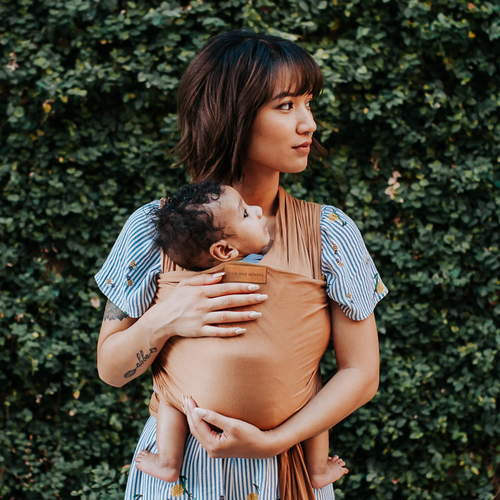
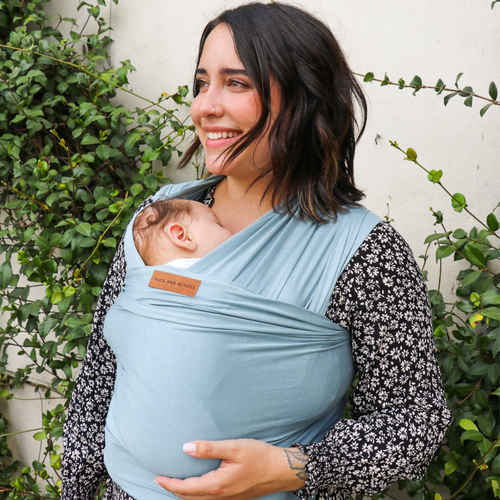
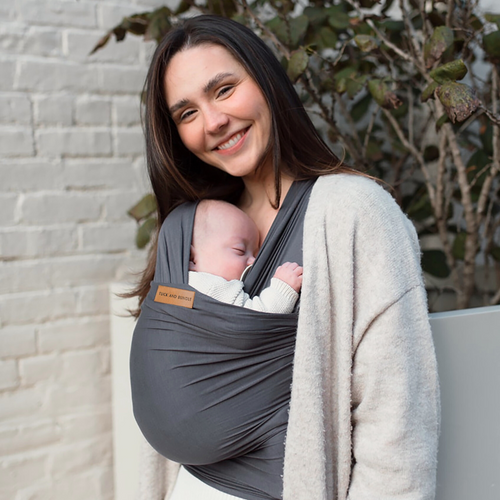
When your baby is wrapped snugly against your chest, they can hear your heartbeat, feel your breathing, and stay connected to you throughout the day.
Many parents find that babywearing helps with:
-
Keeping baby calm during fussy periods
-
Encouraging longer naps
-
Reducing the need to constantly hold baby in your arms
-
Making errands and walks easier
-
Freeing your hands for light household tasks
-
Strengthening the parent-child bond
For parents recovering after birth, having both hands free while keeping the baby close can make everyday life feel much more manageable.
Are Baby Wraps Safe for Newborns?
Yes, when used correctly.
A properly tied baby wrap is designed to support your baby's natural position while keeping them close to your body.
The key is following safe babywearing practices.
Remember the T.I.C.K.S. safety checklist:
Tight
The wrap should be snug enough that your baby doesn't slump.
In View at All Times
You should always be able to see your baby's face without moving the fabric.
Close Enough to Kiss
Your baby's head should rest high on your chest, close enough that you can easily kiss the top of their head.
Keep Chin Off Chest
There should always be space between your baby's chin and chest to support easy breathing.
Supported Back
Your baby's back should be naturally supported, with no excessive slouching.
If you're ever unsure about positioning, consult your baby wrap's instructions or seek guidance from a certified babywearing educator.
What Makes a Great Baby Wrap for a Newborn?
Not every baby wrap is created equal.
When shopping, pay attention to these key features.
1. Soft, Breathable Fabric
Your newborn's skin is incredibly delicate.
Look for fabrics that feel soft against sensitive skin while remaining breathable enough for everyday use.
Popular options include:
-
TENCEL™ Modal
-
Organic cotton
-
Bamboo blends
-
Cotton-modal blends
Soft fabrics help regulate temperature while remaining comfortable for extended wear.
2. Stretch Without Losing Support
Stretchy wraps are especially popular during the newborn stage because they:
-
Fit snugly
-
Feel gentle
-
Adjust easily
-
Support babies weighing up to the manufacturer's recommended limit
Too much stretch, however, can reduce support, especially as your baby grows.
A quality wrap should provide enough flexibility for comfort while maintaining a secure hold.
3. Easy to Learn
The thought of wrapping several meters of fabric around yourself can seem intimidating.
Fortunately, most parents master the basic front wrap after just a few practice sessions.
Look for brands that provide:
-
Step-by-step instructions
-
Clear safety guidance
-
Customer support
These resources can make learning much easier, especially during those sleep-deprived newborn weeks.
4. Comfortable for Parents Too
Comfort isn't just about your baby.
A well-designed wrap distributes weight evenly across your shoulders and back, reducing pressure on one specific area.
This balanced support makes carrying your newborn more comfortable during walks, grocery shopping, or simply moving around the house.
Stretchy Wrap vs. Woven Wrap: Which Is Better?
One of the biggest questions new parents ask is whether to choose a stretchy or woven wrap.
For most newborns, a stretchy wrap is the easiest place to start.
|
Feature |
Stretchy Wrap |
Woven Wrap |
|
Best for |
Newborns |
Newborns through toddlers |
|
Learning Curve |
Easy |
Moderate |
|
Comfort |
Very soft |
More structured |
|
Versatility |
Front carries |
Multiple carrying positions |
|
Ideal Stage |
First several months |
Long-term babywearing |
If your primary goal is comfort during the newborn stage, a stretchy wrap is often the simplest and most beginner-friendly choice.
As your baby grows, you may decide to transition to a woven wrap or another style of carrier depending on your family's needs.
How to Choose the Right Size
One of the biggest advantages of most stretchy wraps is that they're designed as one size fits most.
Rather than relying on clothing sizes, the fabric stretches to fit a wide range of body types, making it easy for both parents to share the same wrap.
If you're shopping with multiple caregivers in mind, look for a wrap specifically designed to accommodate petite through plus-size wearers comfortably.
Frequently Asked Questions
What is the best baby wrap for a newborn? ▾
Are baby wraps safe for newborns? ▾
What's the difference between a stretchy wrap and a woven wrap? ▾
How do I choose the right size baby wrap? ▾
What should I look for when buying baby wrap for my newborn? ▾

Miranda Tripp
Miranda Tripp is the founder of Tuck and Bundle, a babywearing brand created to help parents keep their babies close, comfortably and confidently. A mom of three, U.S. Army veteran, and entrepreneur with a background in engineering, Miranda founded Tuck and Bundle after experiencing firsthand how transformative babywearing could be in everyday motherhood. She brings a practical, parent-first perspective to conversations about babywearing, postpartum life, and building products that genuinely make life with a baby a little easier.